A 3-Day Hiroshima Escape for Two: Culture, Comfort & Coastal Calm
There’s something deeply moving about Hiroshima. It’s not just the history—it’s the resilience, the artful calm, and the balance of quiet streets and soul-stirring food. In December 2024, my partner and I left the buzz of Kyoto behind and headed west, seeking something a little slower, a little deeper. Over three days, Hiroshima gave us exactly that.
Day 1: Hiroshima Peace Memorial & A Warm Welcome
We arrived via Shinkansen mid-morning, checking into the RIHGA Royal Hotel Hiroshima. With skyline views and a short walk to Peace Memorial Park, it was the perfect blend of comfort and convenience.
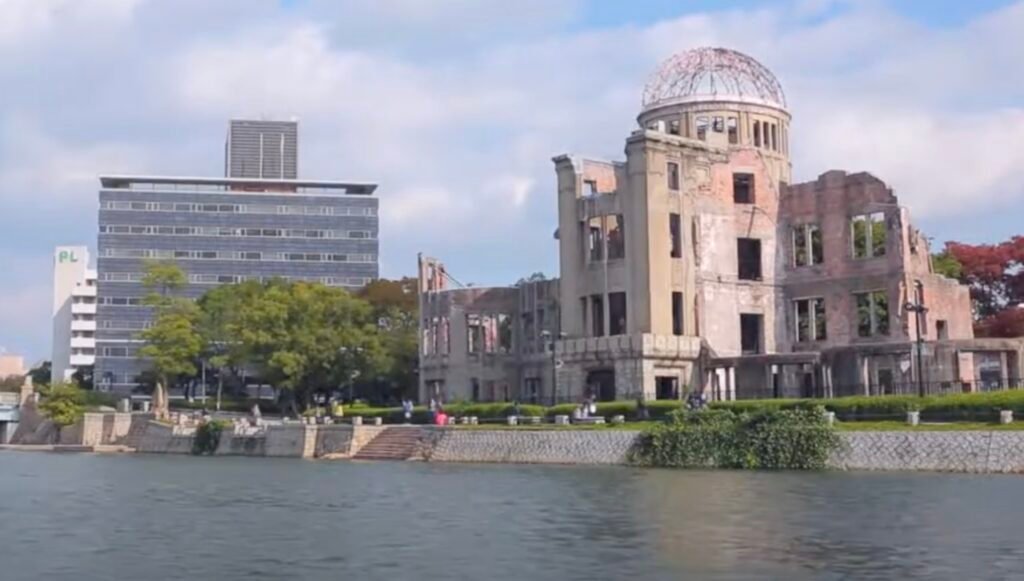
Our afternoon was dedicated to the Hiroshima Peace Memorial Museum. It’s not an easy visit, but an important one. We walked quietly through powerful exhibits, paused by the A-Bomb Dome, and lit incense at the Children's Peace Monument. The park itself is peaceful—introspective, not gloomy.
In the evening, we walked through Hondori Shopping Street—buzzing with local shops and street eats—and found ourselves at Okonomimura. Each floor features a different okonomiyaki stall. We sat side by side at the counter as our Hiroshima-style pancake was grilled to perfection. Add a cold beer and a few laughs? Perfect first night.
Day 1 Activities
Day 2: Miyajima Island — Torii, Temples & Oyster Grills
After breakfast, we caught the JR train to Miyajimaguchi and ferried over to Miyajima Island. The ride itself—passing over calm water with the vermillion Itsukushima Torii Gate rising ahead—is unforgettable.
We explored Itsukushima Shrine, wandered into boutique stores for crafts and ceramics, then stopped for grilled oysters and momiji manju (maple-leaf cakes filled with custard or sweet bean). The island felt like a living postcard, especially with autumn leaves still lingering.
Rather than hike Mt. Misen, we opted for the ropeway, taking in panoramic views of the Seto Inland Sea before walking back down through the forest trails. It was peaceful, cool, and just the right amount of active.
Before heading back, we lingered at the waterfront, sipping hot amazake and watching the sunset paint the floating gate in gold. That evening, we dined near our hotel—at a cozy izakaya with local sake flights and grilled Hiroshima beef skewers.
Day 2 Activities
Day 3: Gardens, Galleries & A Thoughtful Farewell
Our final morning began at Shukkeien Garden, a beautifully landscaped escape filled with stone bridges, koi ponds, and bonsai trees. With tea in hand from a nearby cafe, we sat on a bench and soaked in the stillness.
We spent time afterward at the Hiroshima Museum of Art, where impressionist and Japanese collections are displayed side by side—another symbol of Hiroshima’s ability to merge history with harmony.
For lunch, we sought out a traditional soba house recommended by a local. The noodles were hand-cut, served simply with dipping sauce and a side of tempura. It was elegant in its minimalism—like much of Japan.
We finished our stay at Orizuru Tower, ascending to the 13th-floor open-air observation deck, known as "Hiroshima Hills," for breathtaking 360-degree views of the city. We could see the Atomic Bomb Dome, Peace Memorial Park, Hiroshima Castle, and, on clear days, even Miyajima Island.
To wrap up an unforgettable 3-day adventure, we made our way to Hiroshima Station to board the 16:03 Nozomi 40 Shinkansen, bound for Shin-Osaka, Osaka.
Day 3 Activities
Accommodation
- RIHGA Royal Hotel Hiroshima – Spacious rooms, panoramic views, and walking distance to key sights
- The Knot Hiroshima – Design-forward hotel near Peace Park with rooftop bar vibes
- Hotel Granvia Hiroshima – Convenient for rail travelers; high-rise comfort with direct JR Station access
Dining
- Okonomimura – Try stall #8 for the best house sauce
- Miyajima Oyster Stand – Fresh, grilled, drizzled with lemon
- Teuchi Soba Yasu – Local hand-cut soba with traditional sides
- Izumoya – Momiji manju shop with custard, matcha & seasonal flavors
Getting Around
- JR Pass: Covers train to Miyajima + ferry
- Hiroshima Electric Railway: Easy-to-use trams for downtown sightseeing
- Walking: Most city attractions are within a 15–20 min walk if centrally based
Tips for Travellers
- Book accommodations with easy tram or JR access to avoid excess walking
- Visit popular spots early or mid-week for quiet experiences
- Pace each day with a mix of cultural visits and food breaks
- Don’t skip the quieter corners: tea gardens, galleries, small bookshops
Best Times to Go
- December: Cool weather, fewer crowds, and city illuminations
- Spring (Late March–April): Cherry blossoms in Peace Park and Shukkeien
- October–November: Beautiful autumn foliage, especially on Miyajima
Final Thoughts
Hiroshima surprised us. It offered both reflection and reconnection. It was equal parts history and hospitality. For couples or friends seeking something meaningful, with good food and quiet beauty, this city delivers. We plan to come back in 2026.